
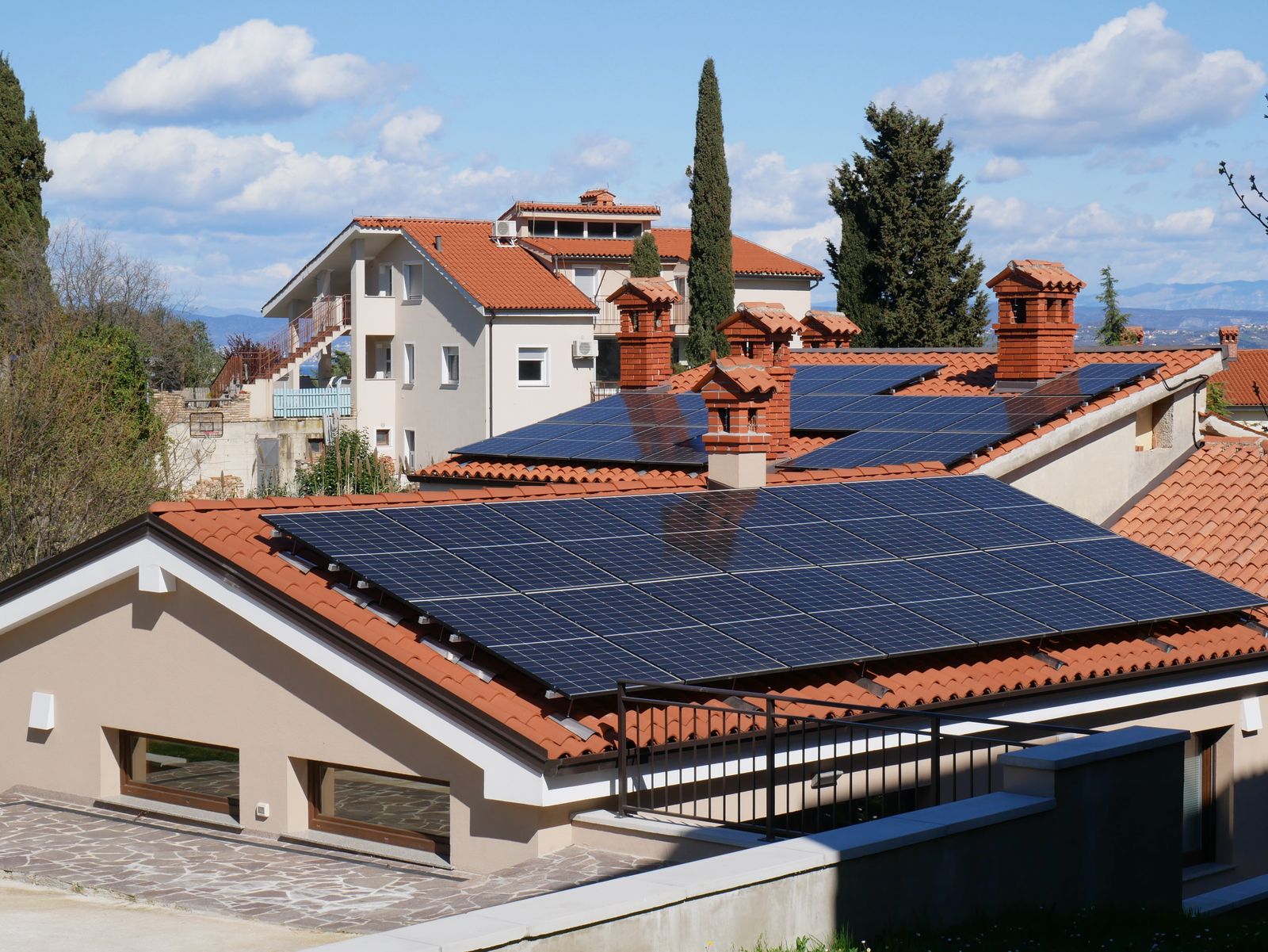
Three ways: your home uses its own solar power instead of buying electricity, surplus power sent to the grid can earn buyback credits depending on your provider's plan, and solar pairs well with time-of-use rates since panels cover the expensive daytime hours. What you save depends on your usage, your roof, and your rate plan — our savings guide breaks each mechanism down.
There's no single price — every system is sized to a specific roof and household. The main drivers are system size, roof complexity and condition, equipment tier, electrical work (like panel upgrades), and whether you add a battery. A transparent quote itemizes each of these; see our cost guide for what belongs in a quote and why prices vary between installers.
The 30% Residential Clean Energy Credit (25D) expired for homeowner-owned systems placed in service after December 31, 2025 — so a purchased system going live in 2026 gets no direct federal credit unless Congress acts. However, leased or PPA systems may still qualify under Section 48E through 2027, with the value passed through to you in lower payments. Details on our tax-credit page — and talk to a tax professional about your situation. This isn't tax advice.
Not on their own: a standard grid-tied system shuts down during an outage as a safety requirement. With a battery and the right isolation equipment, your system can disconnect from the grid and keep your backed-up circuits running. Our battery guide explains how that works and how to size storage for your needs.
Solar panels are long-lived equipment that degrade slowly over time rather than failing suddenly. Specific warranty terms — equipment, performance, and workmanship — vary by manufacturer and installer. Bright Solar is a certified installer for Lion Energy, Tesla, Enphase, Fox ESS, SolarEdge, and Duracell. Specific warranty terms [TBD] — owner to confirm. Whatever installer you choose, get all warranty terms in writing before signing.
Generally, no. Texas Tax Code §11.27 provides that the value added to your property by a solar device is exempt from property-tax appraisal. Confirm the current application with your county appraisal district or a tax professional, since we're not tax advisors.
Texas Property Code limits an HOA's ability to prohibit rooftop solar, though associations can still have rules around placement and appearance. Check your community's guidelines early in the process and keep the conversation constructive — most Texas HOAs are familiar with solar by now.
Through monitoring: your system reports production (and, with consumption sensors, your home's usage) to an app with alerts for faults or production drops. Panel-level monitoring shows each panel individually, making it easy to spot a single shaded or failing panel. Our monitoring guide covers what to watch and how often.
Buying gives you ownership, the full savings, and the cleanest resale story — but the 2026 expiration of the 25D credit changed the purchase math. Leases and PPAs carry no upfront cost and may still capture federal incentives under 48E through 2027, though you sign a long-term contract. Our leasing vs. buying guide and financing page lay out the trade-offs honestly.
Not every home does. A battery makes the most sense if outages matter to you, your buyback plan pays little for exported power, or you're on a time-of-use plan with expensive peaks. It's also one of the largest cost adders in a project — size it to your actual critical loads. More in our battery guide.
It flows back to the grid, and what you get for it depends on your retail electric provider — Texas has no statewide net-metering mandate, so buyback terms vary by plan. A battery lets you store midday surplus for evening use instead of exporting it. See how solar saves for how export credits fit into your total savings.
Buyers value lower electric bills and energy resilience, and owned systems transfer more cleanly than leased ones. Keep your interconnection agreement, production history, and warranty paperwork — documented savings sell the system at resale. Our home value guide covers the honest picture, including what to avoid claiming.
The typical path: a consultation and personalized quote, a site assessment of your roof and electrical setup, system design, permitting and interconnection paperwork with your utility, installation, inspection, and then permission to operate from the utility. Timelines vary by jurisdiction and utility — ask us about current expectations in your area when you request a consultation.
Yes — and it's worth planning for upfront, since electrical capacity and roof space decisions made now affect later additions. We install home EV chargers, build solar pergolas, and design off-grid solar systems — mention future plans during your quote so we size accordingly.