Why California Is a Strong Solar State

California pairs strong sunshine with some of the highest electricity rates in the country. When power is that expensive, every kilowatt-hour your roof produces is worth a lot.
California households pay roughly 35 cents per kilowatt-hour on average — nearly double the national average, per U.S. Energy Information Administration data (mid-2026). Most utilities also use time-of-use rates, where electricity costs more during evening peak hours than midday. That rate structure makes self-consumption — and often a battery — central to the math here, because the cheapest kilowatt-hour is the one you never buy at the peak rate.
There's a resilience angle too. Public Safety Power Shutoffs during wildfire season and grid strain during heat waves have made backup power a real consideration for many California homeowners. A grid-tied system with battery storage keeps essentials running when the grid is down — something we design around on every project that includes storage.
The 2026 Incentive Picture
The landscape shifted in the last few years, so here's where things stand plainly:
- NEM 3.0 / Net Billing Tariff: since April 15, 2023, new PG&E, SCE, and SDG&E solar customers are on the Net Billing Tariff. Instead of retail-rate credits, exported power earns hourly "avoided cost" values — far lower than retail. Existing NEM 2.0 customers are grandfathered. Municipal utilities like LADWP and SMUD run their own separate programs, so check your utility. Under net billing, using your own solar matters more than exporting it, which is why batteries now play a bigger role in almost every California solar design.
- Property-tax exclusion: California's Revenue & Taxation Code §73 excludes active solar energy systems from triggering property-tax reassessment. The exclusion is currently set to sunset on January 1, 2027 — but SB 710 (signed October 2025) ensures systems installed before the deadline stay excluded until the property changes ownership. In practice, adding solar shouldn't raise your property-tax bill.
- SGIP battery incentives: California's Self-Generation Incentive Program historically rebated home battery storage. Most SGIP budget tiers closed to new applications at the end of 2025; an income-qualified Residential Solar and Storage Equity tier remains but is largely waitlisted. Before counting on a rebate, confirm the live budget status and ask for a reservation number.
- Federal credits: the residential clean-energy credit (Section 25D, 30%) expired for homeowner-owned systems placed in service after December 31, 2025. In 2026, the direct federal credit for a purchased residential system is 0% unless Congress enacts new legislation. Third-party-owned systems (leases/PPAs) may still qualify under Section 48E through 2027 — see our federal tax credit and leasing vs. buying pages.
This is a general summary, not tax advice. Talk with a tax professional about your situation.
What Solar Costs in California
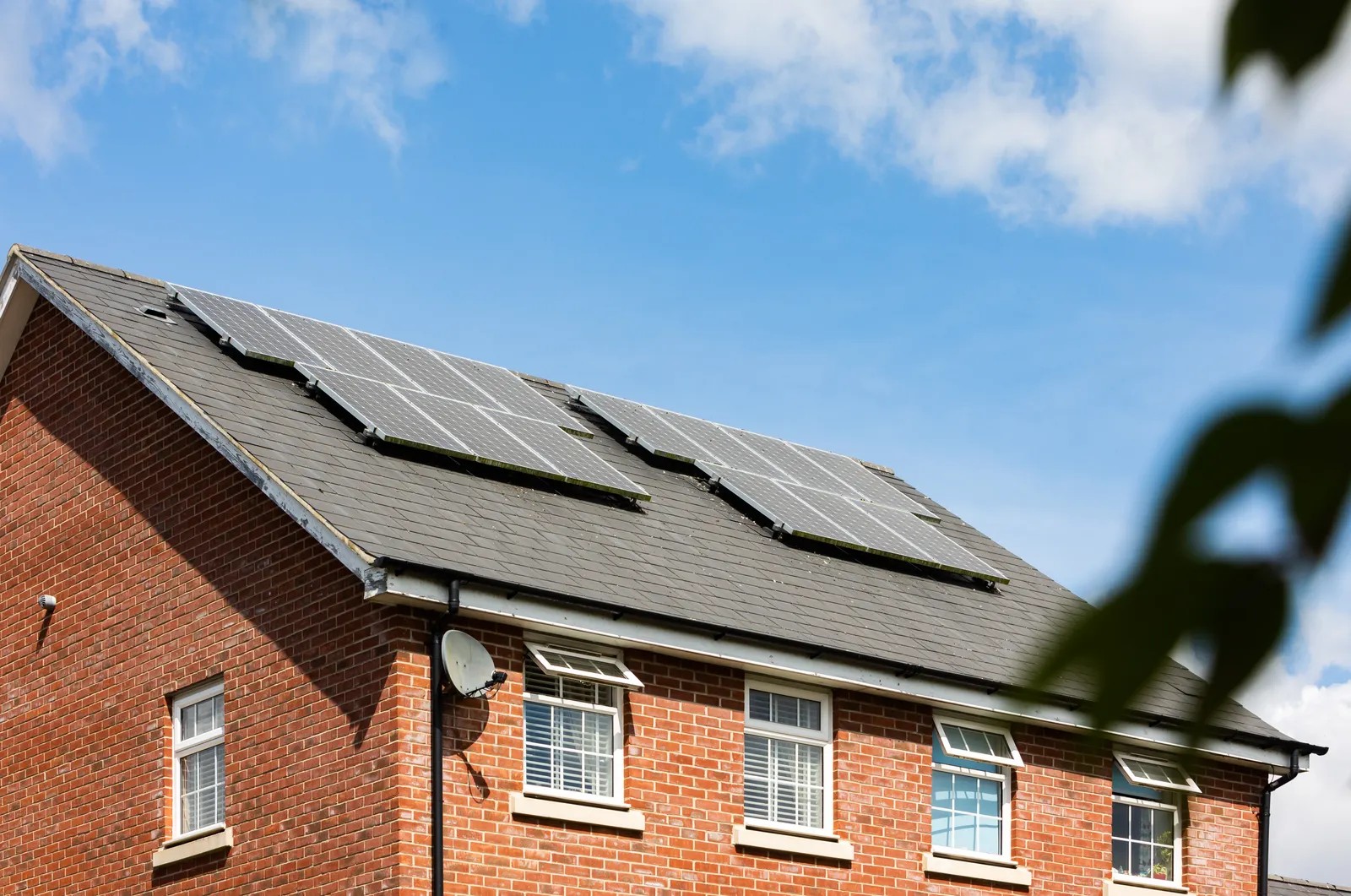
Any honest installer will tell you a system's price depends on your home, not a state average. The factors that move your quote:
- System size — driven by your electricity usage, cooling loads, and how much you want to self-consume versus export.
- Battery storage — under net billing, adding a battery is often the difference-maker, and it adds cost.
- Roof conditions — pitch, orientation, age, material, and shading. Coastal marine layer, tree cover, and complex roof shapes change the design.
- Electrical work — some homes need panel upgrades before a system can be installed.
- Financing structure — cash, loan, lease, or PPA each change the effective cost and savings picture.
Get a design based on your actual usage and roof, and compare quotes on the same terms. Read our cost guide for the full breakdown.
Is Solar Worth It in California?
For many California homeowners, yes — but "worth it" depends on your numbers, and we'd rather earn your business with straight math than a pitch. Solar tends to make the most sense when:
- you pay high electricity rates and face steep time-of-use evening peaks,
- your roof has good, unshaded exposure for the bulk of the day,
- you pair the system with a battery to self-consume under net billing, and
- you value backup power during outages and shutoffs.
It tends to make less sense for homes with persistent shading or heavy marine-layer fog, roofs near the end of their life (handle the roof first — our sister company Bright Roofing handles that side), or very low-usage homes where the bill is already small. A proper site assessment and quote will give you your actual numbers — that's the only way to know. Start with are solar panels worth it? and our savings page.
California Cities We Serve
Bright Solar is based in Houston, Texas — reach us at (888) 996-1308 — and we serve homeowners and businesses in the following California cities. These are areas we serve — our office is in Houston, and we do not claim offices in any of these cities.
Los Angeles
A long cooling season keeps bills high across much of the metro area, so systems are often sized around summer usage. Coastal neighborhoods see more marine layer; inland valleys get stronger, steadier sun.
San Francisco
Coastal fog and marine layer can trim production compared with inland Bay Area locations, so shade and weather analysis matter during the site assessment. High rates keep the economics attractive where roofs get good exposure.
San Diego
Strong sun and among the state's highest electricity rates make solar compelling here. Battery storage pairs well with the area's time-of-use rates and helps ride out grid events.
Sacramento
Hot inland summers mean heavy air-conditioning loads — and high summer bills that solar offsets directly. Sacramento Municipal Utility District (SMUD) runs its own solar program, so we verify the current rules during your quote.
San Jose
South Bay rooftops generally see stronger sun than the foggier peninsula, and high local rates mean systems here are often designed to maximize self-consumption.
California Solar FAQ
What Is NEM 3.0?
NEM 3.0 is California's Net Billing Tariff, in effect since April 15, 2023 for new PG&E, SCE, and SDG&E interconnections. Instead of crediting exported solar at near-retail rates, exports earn hourly "avoided cost" values — much lower. Customers who interconnected before the change stay on NEM 2.0 for their grandfathered term.
Can I Still Get a Federal Tax Credit for Solar in 2026?
For homeowner-owned systems placed in service after December 31, 2025, the Section 25D residential credit has expired — the direct federal credit is 0% in 2026 unless Congress acts. Leased or PPA systems may still qualify under Section 48E through 2027. This isn't tax advice — check with a tax professional.
Will Solar Raise My Property Taxes in California?
Revenue & Taxation Code §73 excludes active solar energy systems from triggering reassessment. The exclusion is currently set to sunset January 1, 2027, but SB 710 (signed October 2025) ensures systems installed before the deadline remain excluded until the property changes ownership.
Do I Need a Battery with Solar in California?
Not required, but under NEM 3.0 a battery is what makes the economics work for many homes: you store midday solar and use it during expensive evening peak hours instead of exporting at low avoided-cost rates. It's also the path to backup power during outages. Read our battery guide for how sizing works.
Does Solar Work in Foggy or Coastal Areas?
Yes, but production is lower than in sunny inland areas — panels still generate in diffuse light, just less. A proper shade and weather analysis during your site assessment confirms what your specific roof will deliver.
What's SGIP and Can I Still Get a Battery Rebate?
SGIP is California's Self-Generation Incentive Program for battery storage. Most budget tiers closed to new applications at the end of 2025; an income-qualified equity tier remains but is largely waitlisted. Confirm the live budget status before counting on a rebate.