
Why Texas Is a Strong Solar State

Texas pairs abundant sunshine with some of the country's highest home cooling loads. That combination is exactly what makes solar attractive here.
Air conditioning drives Texas electricity bills. A system sized around your real usage — especially summer peaks — can offset the part of the bill that hurts most. Beyond the bill math, many Texas homeowners look at solar for resilience: grid-tied systems with battery backup keep essentials running when the grid doesn't, something Texans have learned to value.
Texas also keeps solar-friendly policy at the state level. There is no state income tax, so state income-tax credits were never part of the equation here — but the state's property-tax appraisal exemption for solar devices (Texas Tax Code §11.27) means adding solar doesn't raise the appraised value of your home for property-tax purposes. And Texas Property Code limits the ability of HOAs to prohibit rooftop solar, though approval processes still vary by community — check your HOA's guidelines, which we can review with you during a consultation.
The 2026 Incentive Picture
The federal landscape changed at the end of 2025, so here's where things stand plainly:
- Owned systems: the residential clean-energy credit (Section 25D, 30%) expired for homeowner-owned systems placed in service after December 31, 2025. In 2026, the direct federal credit for a purchased residential system is 0% unless Congress enacts new legislation.
- Leases and PPAs: third-party-owned systems may still qualify under Section 48E through 2027. If you were counting on the federal credit, a lease or power-purchase agreement may still capture federal value — see our federal tax credit and leasing vs. buying pages.
- No state income tax: nothing changes at the state level — Texas has no state income tax, and the property-tax appraisal exemption for solar devices still applies.
- Buyback plans: Texas has no statewide net-metering mandate. Buyback and export plans vary by retail electric provider, and some municipal utilities have offered local solar rebates in the past. Always check your utility for current programs — we can help you compare plans for your provider during your quote.
This is a general summary, not tax advice. Talk with a tax professional about your situation.
What Solar Costs in Texas
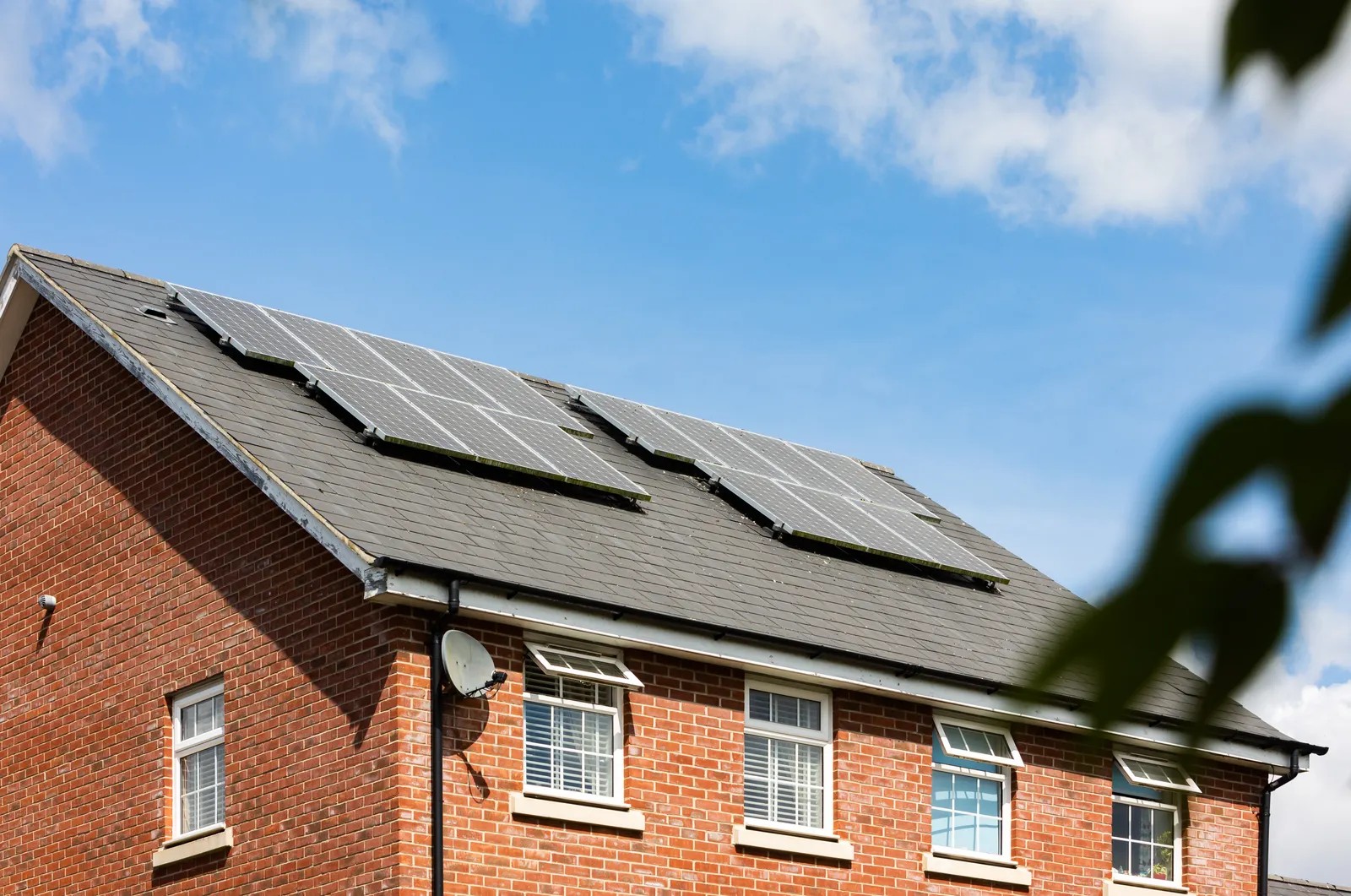
Any honest installer will tell you a system's price depends on your home, not a state average. The factors that move your quote:
- System size — driven by your electricity usage, especially summer cooling.
- Roof conditions — pitch, orientation, age, material, and shading. Mature trees and complex roof shapes change the design.
- Equipment choices — panel and inverter types, and whether you add battery storage.
- Electrical work — some homes need panel upgrades before a system can be installed.
- Financing structure — cash, loan, lease, or PPA each change the effective cost and savings picture.
Get a design based on your actual usage and roof, and compare quotes on the same terms. Read our cost guide for the full breakdown.
Is Solar Worth It in Texas?
For many Texas homeowners, yes — but "worth it" depends on your numbers, and we'd rather earn your business with straight math than a pitch. Solar tends to make the most sense when:
- you have high summer electricity bills driven by cooling,
- your roof has good, unshaded exposure,
- you plan to stay in your home long enough to realize the savings, and
- you value backup power during outages.
It tends to make less sense for homes with heavy shading, roofs near the end of their life (handle the roof first — our sister company Bright Roofing handles that side), or situations where your utility's buyback terms don't reward exported power well. A proper site assessment and quote will give you your actual numbers — that's the only way to know. Start with are solar panels worth it? and our savings page.
Our Texas Service Areas
Bright Solar is based in Houston, Texas — reach us at (888) 996-1308 — and we serve homeowners and businesses in 28 communities across 7 regions: Dallas County, Tarrant County, Collin County, Greater Houston, Greater San Antonio, Greater Austin, and East Texas. These are areas we serve — our office is in Houston, and we do not claim offices in any of these cities.
Texas Solar FAQ
Can I Still Get a Federal Tax Credit for Solar in 2026?
For homeowner-owned systems placed in service after December 31, 2025, the Section 25D residential credit has expired — the direct federal credit is 0% in 2026 unless Congress acts. Leased or PPA systems may still qualify under Section 48E through 2027. This isn't tax advice — check with a tax professional.
Does Texas Have Net Metering?
Texas has no statewide net-metering mandate. Buyback and export plans vary by retail electric provider, so the value of surplus power depends on your plan. Check your utility for current programs.
Will Solar Raise My Property Taxes in Texas?
Texas Tax Code §11.27 exempts solar devices from property-tax appraisal, so adding solar shouldn't raise your home's appraised value for property-tax purposes.
Can My HOA Stop Me from Installing Solar?
Texas Property Code limits HOAs' ability to prohibit rooftop solar, but approval processes and guidelines still vary by community. Review your HOA's guidelines — we can look at them with you during a consultation.
Does Solar Make Sense with Texas Heat?
Heat actually makes solar more valuable in one sense: high cooling loads mean high bills, and solar directly offsets those daytime loads. Panels produce best in full sun; shade analysis during your site assessment confirms what your roof will deliver.
Do You Offer Battery Backup for Texas Outages?
Yes — we design grid-tied systems with battery storage so essential loads keep running when the grid is down. Read our battery guide for how sizing works.