
what it is
Ground-Mount Solar at Scale
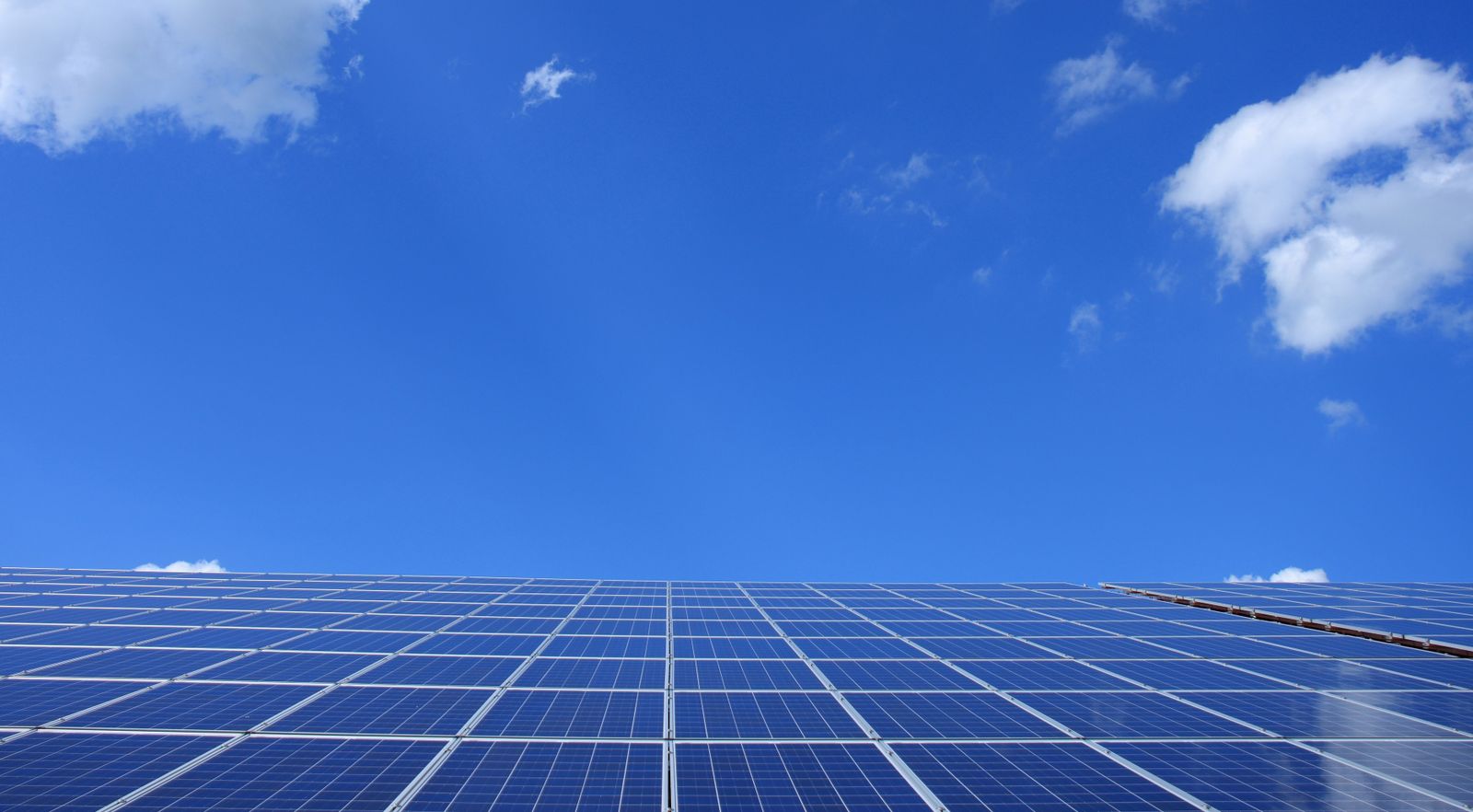
A solar farm is a ground-mounted solar array built on open land — larger than anything that fits on a rooftop, producing power for sale to the grid or for use under power-purchase agreements.
Unlike rooftop systems, which are sized around one building's usage, solar farms are sized around the land itself: how much of it is usable, how much sun it gets, and how the power connects to the grid. They're developed as full projects — not just installations — with feasibility work, engineering design, permitting, and construction managed as one effort.
Land Considerations
The land makes or breaks a solar farm. Before anything else, we assess the parcel against the basics every viable site needs:
Sun Exposure and Terrain
Open, relatively flat land with minimal shading performs best. Trees, buildings, and steep grades reduce usable area and complicate construction — we map all of it during assessment.
Grid Access
Power has to get from the array to the grid. The distance to existing transmission or distribution infrastructure, and the capacity available there, is one of the biggest factors in whether a site works.
Land Use and Zoning
Local land-use rules determine what can be built and where. We review zoning and permit requirements early so there are no surprises mid-project.
Environmental Review
Larger projects may require environmental reviews — wetlands, wildlife habitat, and drainage are the usual items. These are addressed during the development phase, not after construction starts.
How a Project Develops
Solar farm development runs in phases. Timelines vary widely with project size and permitting, so we won't promise one here — but the sequence is consistent:
1. Assessment
Site visit, shade and terrain analysis, interconnection feasibility, and a first-pass look at whether the numbers work.
2. Design
Engineering design for the array layout, racking, electrical systems, and interconnection — sized to the land and the project goals.
3. Permitting
Local permits, utility interconnection applications, and any required environmental review, handled as a coordinated package.
4. Construction
Ground preparation, racking, panel installation, electrical work, and commissioning — then the array is handed over and operating.
Tax note: The federal commercial solar tax credit (Section 48E) is 30% for projects meeting wage and apprenticeship requirements, and under current law is available only for projects that begin construction by July 4, 2026 or are placed in service by December 31, 2027. Tax rules are complex and change — consult a tax professional about your specific situation. This is not tax advice.
Frequently Asked Questions
How Much Land Does a Solar Farm Need?
There's no fixed minimum — it depends on how much power the project is meant to produce and how much of the parcel is actually usable after setbacks, terrain, and shading. A site assessment tells you what's realistic for your land.
What Happens during the Assessment Phase?
We visit the site, analyze sun exposure and terrain, evaluate the path to grid interconnection, and review land-use and zoning considerations. The output is an honest read on whether the parcel is a good candidate — not every site is, and we'll say so.
Who Handles Permits and Grid Interconnection?
We do. Permitting and interconnection are part of the development package: local permits, utility interconnection applications, and coordination through construction. It's one of the main reasons to work with a developer rather than a pure installer.
How Is a Solar Farm Different from Rooftop Commercial Solar?
Scale and site. Rooftop systems work around an existing building's roof, usage, and structure. Solar farms are purpose-built on open land, sized around the parcel and the grid connection rather than a single facility's electric bill.